Description
Features:
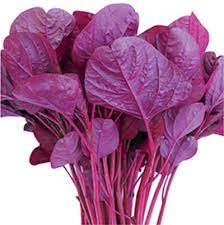
- Vibrant Red Color: Our Amaranth Seeds yield plants with striking red foliage that adds visual interest to garden beds, borders, and containers. The vibrant color of amaranth makes it a standout feature in any landscape and a delightful addition to salads, stir-fries, and more.
- Nutrient-Rich: Red amaranth is packed with essential vitamins, minerals, and antioxidants that promote health and vitality. It is a rich source of vitamins A, C, and K, as well as calcium, iron, and dietary fiber, making it a valuable addition to any balanced diet.
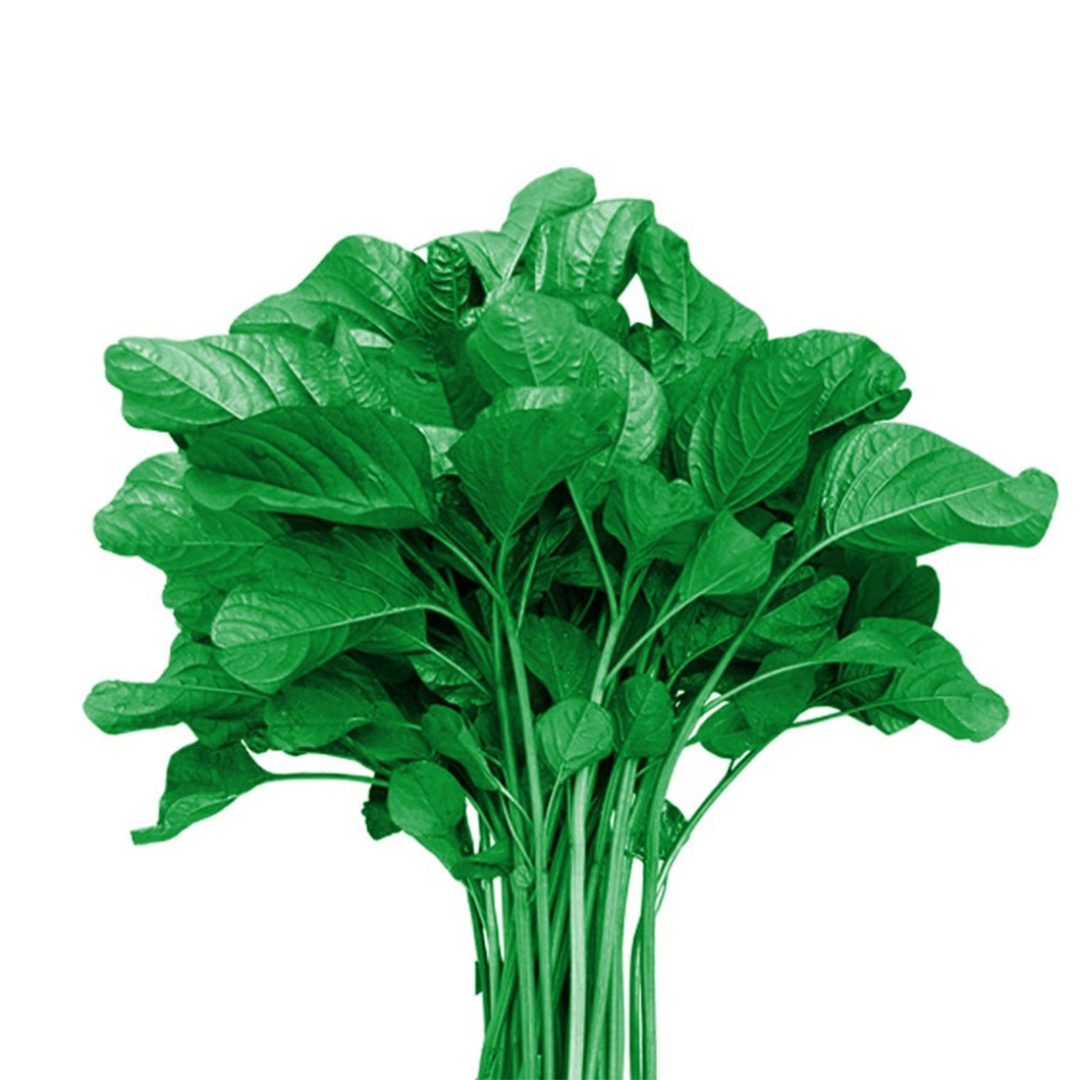
- Tender Leaves: Red amaranth produces tender leaves with a mild, earthy flavor and a delicate texture. Enjoy these nutritious greens raw in salads or sandwiches, or cook them lightly to preserve their vibrant color and flavor.
- Versatile Usage: Amaranth is incredibly versatile and can be used in a variety of culinary applications. Add it to soups, stews, and curries for a nutritious boost, or use it as a colorful garnish for a pop of flavor and visual appeal.
- Easy to Grow: Amaranth is easy to grow and thrives in a variety of growing conditions. Whether planted in garden beds, raised beds, or containers, amaranth adapts well to different environments and requires minimal maintenance for successful cultivation.
Specifications:
- Seed Type: Open-pollinated
- Variety: Amaranth (Amaranthus spp.)
- Package Size: Available in various quantities to suit your gardening needs
- GMO Status: Non-GMO
- Origin: Responsibly sourced from trusted suppliers
Growing Tips:
- Planting: Sow Amaranth Seeds directly into well-drained soil in early spring after the last frost date. Plant seeds 1/4 inch deep and space them 6-12 inches apart in rows that are 12-18 inches apart.
- Sunlight: Amaranth thrives in full sunlight, so choose a location that receives at least 6-8 hours of direct sunlight per day. In hotter climates, some afternoon shade may help protect the plants from scorching heat.
- Watering: Keep the soil consistently moist but not waterlogged. Water amaranth plants deeply once or twice a week, especially during hot, dry weather. Mulching around the plants can help retain soil moisture and suppress weeds.
- Thinning: Thin out crowded amaranth seedlings once they have developed their first true leaves, leaving space for the remaining plants to grow to their full size. Thinning helps prevent overcrowding and ensures that each plant has room to thrive.
- Harvesting: Harvest Amaranth leaves as needed once they reach a length of 6-8 inches. Use scissors or a sharp knife to cut the outer leaves near the base of the plant, allowing the inner leaves to continue growing for future harvests.
Experience the Beauty and Nutrition of Amaranth: With our premium Amaranth Seeds, you can enjoy the vibrant color and nutritional benefits of homegrown amaranth in your favorite dishes. Whether added to salads, stir-fries, or soups, amaranth brings a burst of color and flavor to your culinary creations. Start growing your own Amaranth today and experience the joy of harvesting this ancient grain straight from your garden.